Weekly sprints for Alaska moves — documentation, logistics, and winter readiness
This 60‑day plan breaks a complex Alaska relocation into practical, low‑stress sprints that front‑load decisions, factor winter variability into every step, and leave breathing room for advisories and daylight limits. It emphasizes a predictable rhythm: early budget clarity, bookings and documentation, then a sustained packing cadence that keeps weight manageable, protects cold‑sensitive items, and streamlines the first week after arrival.
Run a single master list mirrored digitally to prevent end‑of‑month pileups.
Weeks 8–9 (Days 60–46)
Define scope and budget, including winter buffers for lodging, longer drive times, and emergency kits.
Choose DIY, partial service, or hybrid; compare policies for weather holds, rescheduling, and claims.
Request quotes early; reserve equipment; verify tire rules and winter‑rated options for rentals.
Draft a room‑by‑room inventory; flag fragile and cold‑sensitive items for special packing.
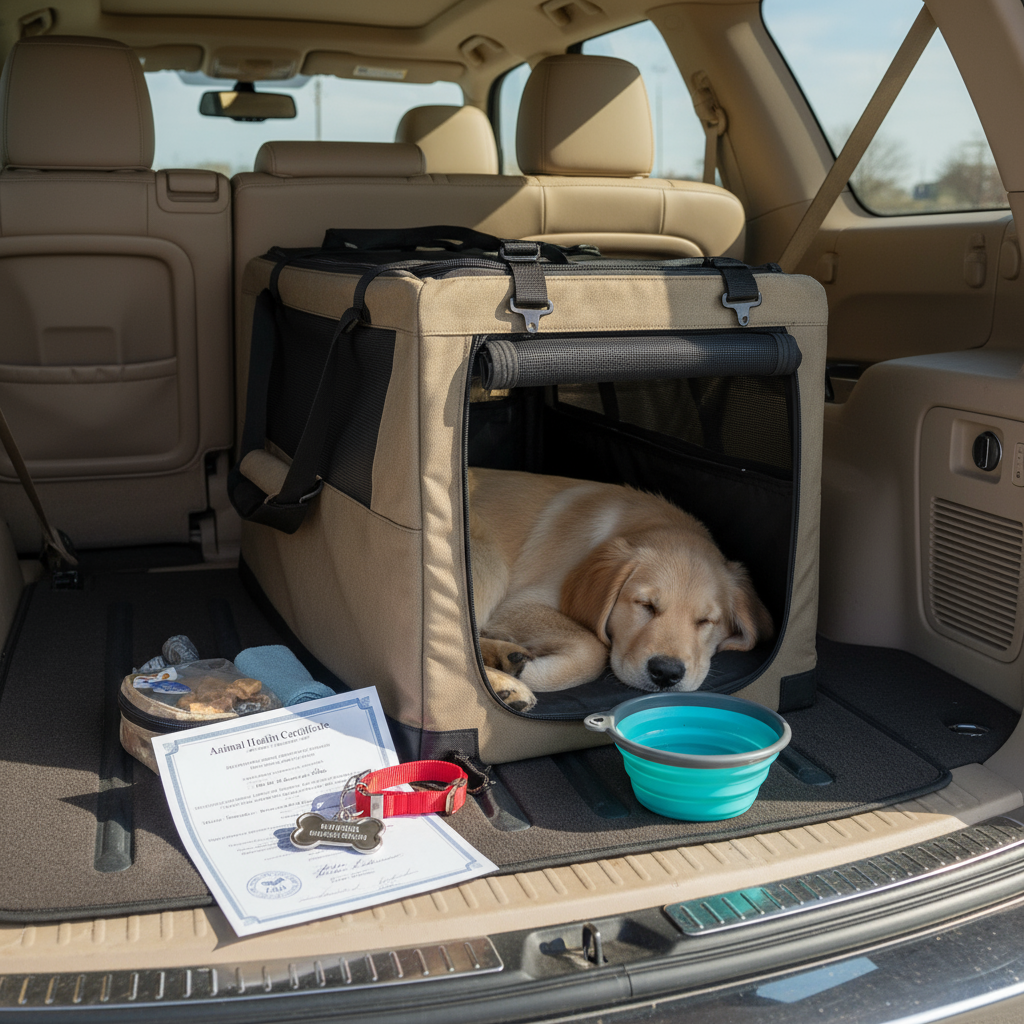
Audit documents: IDs, titles, insurance, medical and school records; begin pet health planning.
Sketch primary and alternate routes; pin fuel, food, and overnight stops at conservative intervals.
Week 7 (Days 45–39)
Secure interim housing on both ends if weather could slip move‑in dates or ferry schedules.
Service vehicles: winter tires, battery test, fluids, wipers, heater/defroster, and lights.
Confirm carrier arrival windows and loading requirements; photograph current home condition.
If ferry or air segments are involved, verify seasonal embargoes, loading rules, and pet provisions.
Week 6 (Days 38–32)
Order supplies: double‑wall boxes, labels, tape, desiccants, stretch wrap, insulation for electronics.
Pack low‑use rooms and seasonal goods; label with room codes and priority tags for first‑open.
Create “Do Not Load” and “First Open” kits for documents, meds, detectors, and tools.
Start a photo inventory; record serials for high‑value electronics and instruments.
Week 5 (Days 31–25)
Schedule utility disconnects/connects with daylight windows for safe access and troubleshooting.
Submit change of address and account updates; expect slower mail when storms roll through.
Continue decluttering to lighten the load and improve handling on slick, uneven surfaces.
Confirm pet documentation timelines and plan vet appointments relative to departure.
Week 4 (Days 24–18)
Pack infrequently used kitchen and garage items; reinforce heavy boxes and mark orientation.
Stage winter gear for load‑last/open‑first: boots, traction aids, gloves, and shovel.
Assemble an emergency kit: blankets, water, shelf‑stable food, power banks, headlamps.
Lock in pet‑friendly waypoints; confirm late‑check‑in options if visibility drops.
Week 3 (Days 17–11)
Disassemble furniture; bag and label hardware; tie components to prevent shifting.
Pack closets and linens in moisture‑resistant bags; rotate a travel wardrobe.
Re‑check vehicle readiness and route advisories; slide the timeline if warnings escalate.
Confirm payment methods, claims contacts, and insurance coverage details with movers.
Week 2 (Days 10–6)
Complete most packing; maintain an essentials suitcase for each person with meds and documents.
Label remaining rooms; stage “First Open” kitchen and bedding boxes near the truck rear.
Verify pet records, microchip info, and carrier sizing; confirm pet‑friendly stays if needed.
Stage snow tools and de‑icer to keep load paths clear at both origin and destination.
Week 1 (Days 5–1)
Defrost freezer, drain small engines, and purge hazardous materials not allowed on trucks.
Check daylight windows, likely wildlife activity, and advisories for final go/no‑go decisions.
Double‑pack high‑value items and keep the documentation packet on your person.
Confirm weather‑flexible check‑in instructions for interim housing and arrival contacts.
Shorter winter legs reduce fatigue and keep risk low when visibility and traction change.
Moving day
Clear snow from paths, vehicles, and roofs; create dry, non‑slip walkways for loading.
Load heavy items low and forward, strap stacks tightly, and re‑check after the first miles.
Drive in peak daylight, slow on shaded curves, and extend following distances on ice.
Share ETAs with a contact, refuel early, and cap miles to avoid dusk fatigue in storms.